 Dodori Korea Trip
Culture
KBO tickets, and seeing a Korean baseball game
Korean baseball is the easiest world-class night out in the country - nine innings of organized chanting, beer in the stands and a crowd that sings for three hours - and KBO tickets work backwards from what a traveller expects. You cannot book months ahead, because sales for each game open about a week before it. The plan is not "book early". The plan is knowing which door works for a foreign phone, and standing at it when it opens.
The calendar runs backwards from what you expect
Every other bookable thing on a Korea trip rewards planning ahead. This one refuses it. KBO tickets for a given game go on sale roughly a week before that game - most teams open sales seven to ten days out, typically at 11am Korean time - and there is no earlier door. A visitor planning in January cannot hold a ticket for a June game, and nothing is wrong; that is simply how the league sells.
So the sequence inverts. Decide the game you want once your dates are fixed, put the on-sale morning in your calendar, and buy that day. Weekday games usually stay available for days. Friday to Sunday games in Seoul are the ones that move - Korean baseball is in a genuine attendance boom, past nine million spectators by mid-August of the 2026 season, the fastest in league history - and a weekend Jamsil game can be gone well before first pitch.
The season itself: the regular season opens in late March and runs into the autumn, with the playoffs and Korean Series following in October and into November. If your trip is December to March, this page is for the next one.
The Korean-phone wall, and the two doors around it
Here is the part that catches almost everyone. The standard Korean ticket apps - the ones every Korean uses - require Korean phone-number verification at signup, and a visitor's foreign number does not pass it. A Korean SIM in your phone does not fix this either; the check is tied to identity registration, not to having a local number. This is the same wall described in the guide to why your card works in shops but not on Korean websites.
The routes that work:
Ticketlink Global - the international face of the ticketing platform most KBO teams use. Signup is by email, no Korean phone, and it takes international cards. This is the main door, and for most games the only one you need.
Interpark's global site covers some of what Ticketlink does not, on the same terms: email signup, foreign card.
The box office, on the day. Stadium windows sell remaining seats, typically opening a couple of hours before first pitch. For a weekday game this is a perfectly reasonable plan A, not a fallback. For a sold-out weekend game, some stadiums release standing-room tickets at the window - worth the try if you are already nearby, not worth building an evening around.
One team, KT Wiz in Suwon, runs its own app that accepts foreign cards with email signup - useful to know if your trip passes through, but not the general answer.
Before you open a ticket app
Which door is open to you?
The standard Korean ticket apps check identity against a Korean phone account, which a foreign number does not pass.
Which game to pick
Jamsil, in Seoul, hosts two teams - LG Twins and Doosan Bears share the stadium - which means it has a home game most days of the season and is the easy default for a visitor staying in the city. It is on the subway, next to the Olympic complex.

Gocheok Sky Dome is the rain-proof one. Korea's summer is a monsoon season, and July games at open stadiums get suspended or washed out. Gocheok, home of the Kiwoom Heroes in southwestern Seoul, has a roof. If your only free night is in the wet weeks, buy there and stop watching the forecast.
Beyond Seoul, every KBO city works the same way - Busan's Sajik stadium is famous for having the loudest crowd in the league, and if your itinerary includes a KTX day out, an evening game there is a legitimate reason to stay the night.
Where to sit: the outfield and upper decks are the cheap, easy seats and the atmosphere is the same everywhere. The one deliberate choice worth making is which side - each team's fans sit together behind their dugout with their own cheer squad, so pick the home side unless you have a reason not to.
Bring your own dinner. Really.
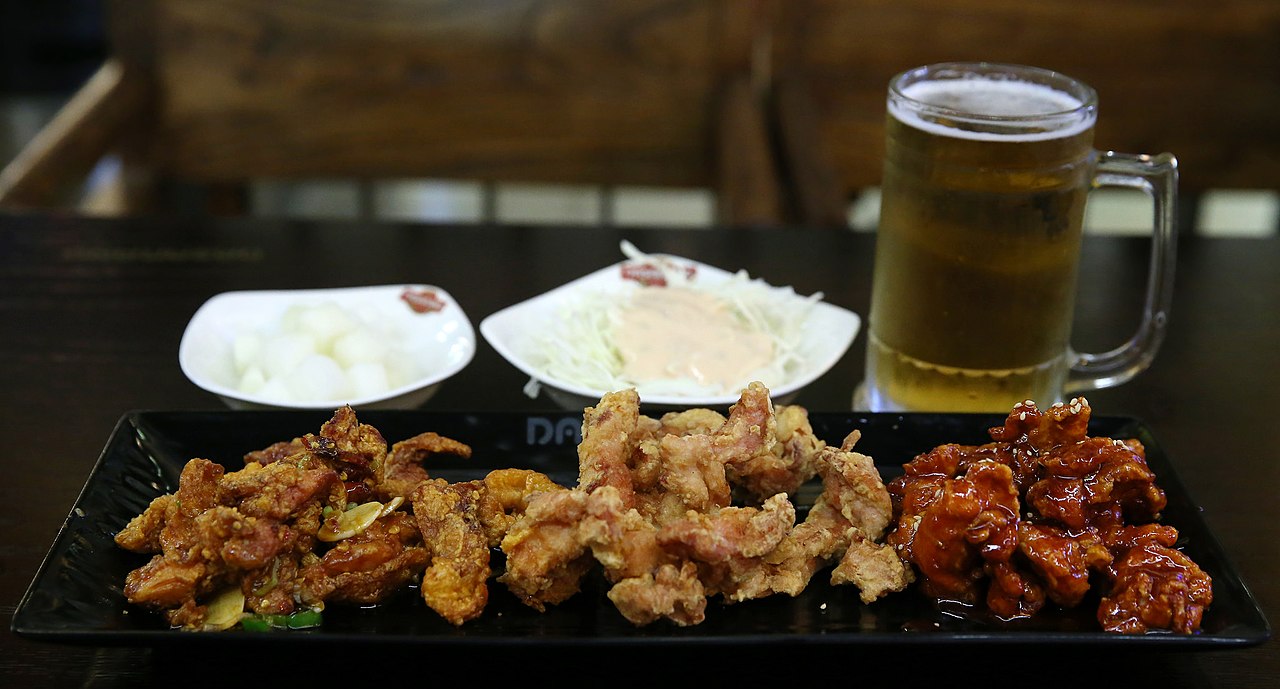
This is the rule visitors refuse to believe until they see it: outside food is broadly allowed in KBO stadiums. People walk in carrying whole boxes of fried chicken, pizza, gimbap from the convenience store, and nobody blinks - the fried-chicken shops ringing every stadium exist precisely for this. The limits are about containers, not food: no glass, no cans, and drinks in plastic bottles under one litre, one per person. Hard liquor is refused regardless of container.
Beer is sold inside - at stalls, and at some stadiums from vendors walking the stands with kegs on their backs - so the one-bottle limit is not the constraint it sounds like.
If you want the full local version: pick up chicken outside the gate, buy beer inside, and you have assembled chimaek (치맥 - chicken and beer), which is less a meal than the reason half the crowd came.
The part you cannot buy a ticket for
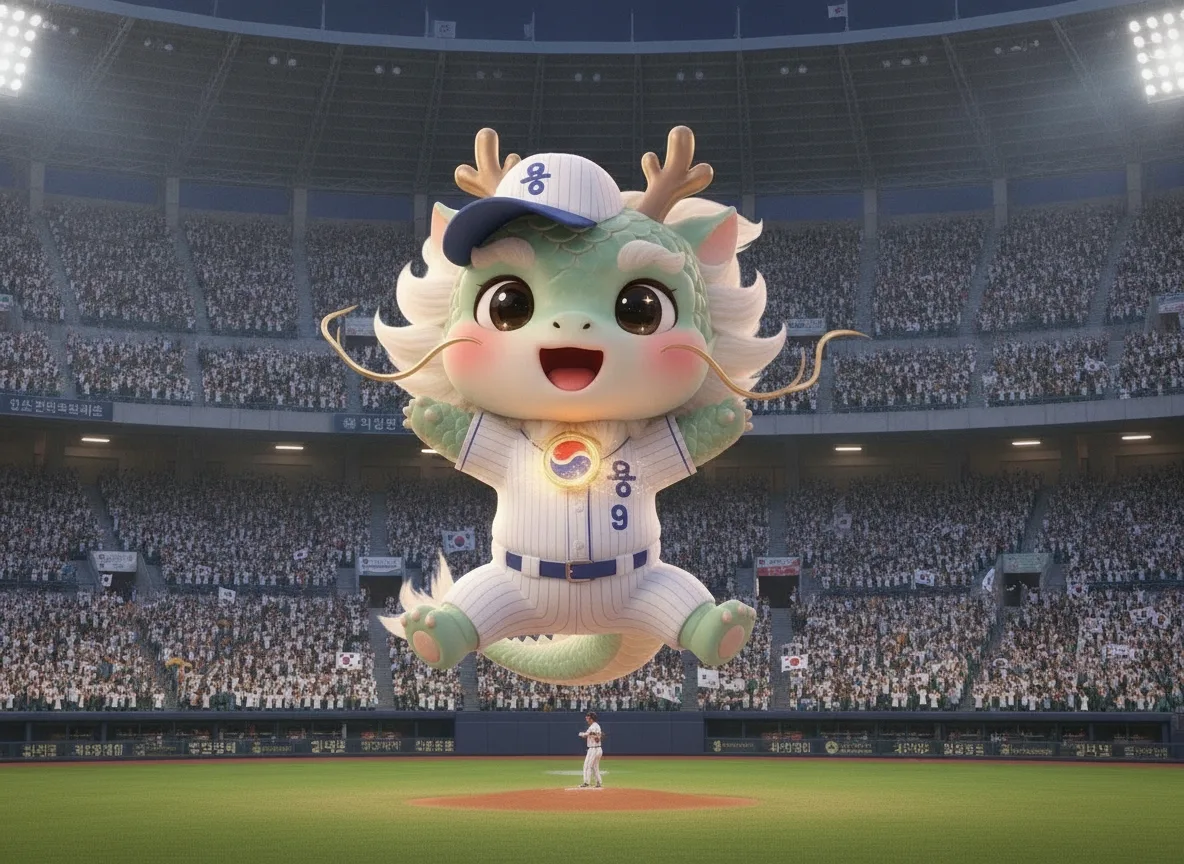
What makes a KBO game different from a big-league game elsewhere is not the baseball, it is the noise. Each team has professional cheerleaders and a cheer captain on a platform, every player has his own song, and the crowd - the whole crowd, for three hours - sings, chants and drums through the entire game. Nobody expects you to know the words by the second inning; you will have three of the songs memorized by the seventh whether you try to or not.
That is also the honest pitch for going at all. You do not need to follow baseball. You need one free evening, a ticket bought seven days earlier, and a box of chicken.
Quick answers: KBO baseball tickets
When do KBO baseball tickets go on sale?
About a week before each game - most teams open sales seven to ten days out, typically at 11am Korean time. You cannot book months in advance, and weekend games in Seoul can sell out quickly once sales open.
Can foreigners buy KBO tickets online?
Yes. Ticketlink Global and Interpark's global site both take an email signup and an international card, with no Korean phone number. The standard Korean apps require Korean phone verification that a visitor cannot pass.
Can I bring food into a Korean baseball stadium?
Yes - outside food is broadly allowed, including a whole fried chicken. Glass and cans are not, and drinks are limited to plastic bottles under one litre, one per person. Beer is sold inside the stadium.
This page is based on The Korea Times, 2026 KBO season, The Korea Herald, KBO attendance, Ticketlink Global, KBO official site. Checked against the published source on the date below.
LAST VERIFIED 20 SEPTEMBER 2026